Dealing with Bulky Waste in Colney Hatch Flats
Posted on 02/06/2026
Dealing with Bulky Waste in Colney Hatch Flats: A Practical Local Guide
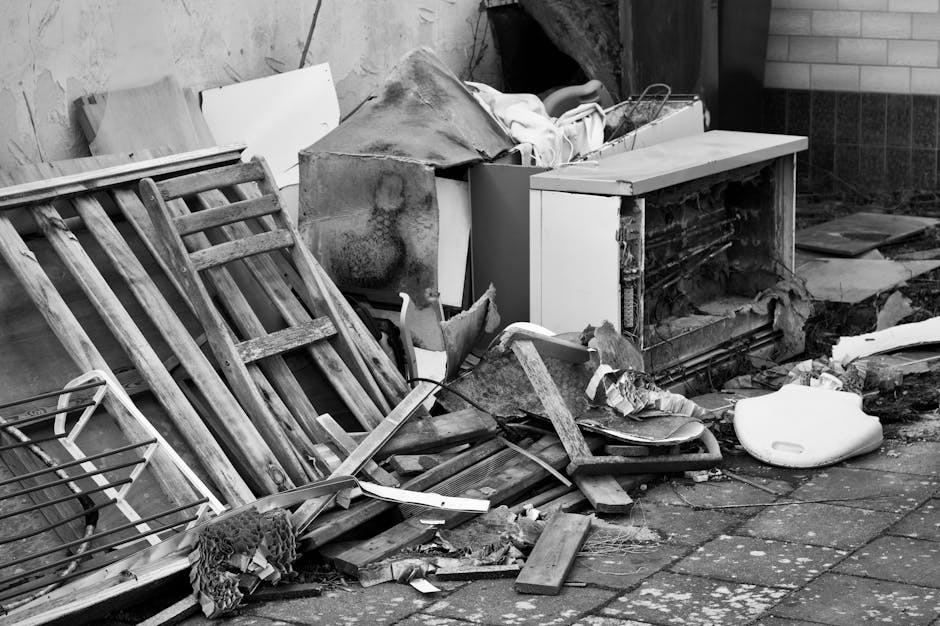
If you live in a Colney Hatch flat, bulky waste can turn into a surprisingly fiddly job. A sofa won't fit through the hallway. A mattress catches on the stair rail. A freezer sits there, heavy and awkward, while you wonder how on earth it is going to leave the building without damaging the walls or your back. Truth be told, that's the moment many people realise bulky waste is less about "getting rid of stuff" and more about planning, access, and safety.
This guide walks you through dealing with bulky waste in Colney Hatch flats in a way that feels calm, workable, and realistic. You'll learn what counts as bulky waste, how the removal process usually works in flats, what to avoid, and when a professional collection makes life much easier. We'll also cover local considerations, disposal etiquette, and a few practical links to useful related services and guides along the way.
Why Dealing with Bulky Waste in Colney Hatch Flats Matters
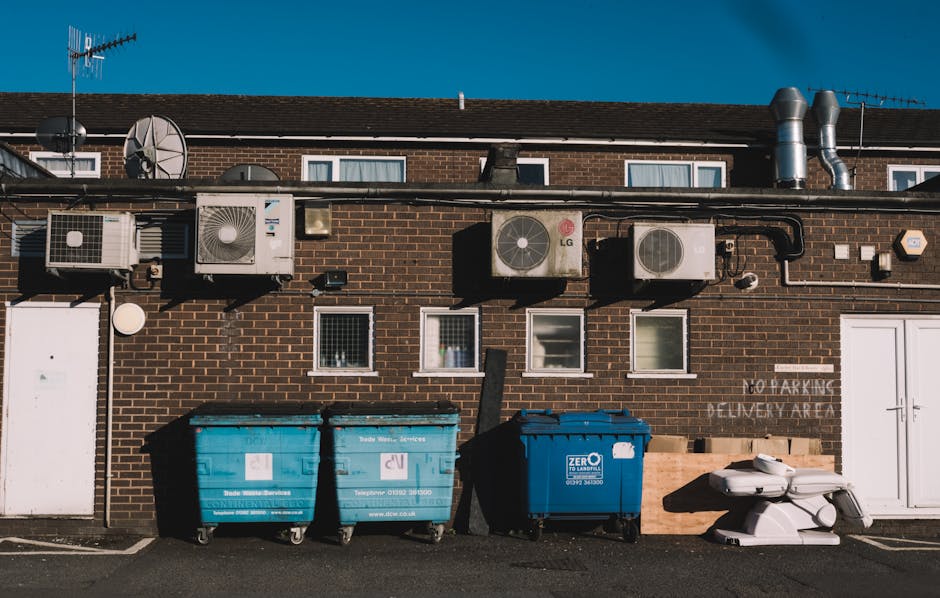
Bulky waste is any large household item that won't go out with your normal rubbish. In flat living, the challenge is rarely just disposal. It's access, timing, neighbours, stairs, lift use, and protecting shared spaces that make the difference between a smooth clearance and a headache that lingers all afternoon.
Colney Hatch flats, like many London homes, often have tighter stairwells, shared entrances, limited parking, and busy communal areas. That means a careless move can scuff paintwork, block access, disturb neighbours, or leave you with an item stranded halfway down a corridor. Nobody wants that awkward moment. You know the one.
There's also the practical side. Old furniture can collect dust, trap moisture, or simply take up valuable space. If you are preparing for a move, a renovation, or a tenant changeover, getting bulky waste out early can make the whole property feel lighter. If you need help with the wider move as well, it's worth looking at flat removals in Colney Hatch or the broader removals service in Colney Hatch so the heavy lifting is handled in one organised plan.
There is a sustainability angle too. Bulky items do not all need to end up as waste. Some can be reused, resold, donated, or broken down for materials. A thoughtful approach can save space, reduce environmental impact, and avoid the panic of trying to solve everything at the last minute.
How Dealing with Bulky Waste in Colney Hatch Flats Works
The process is usually simpler than people expect, but only if you break it into stages. At a basic level, bulky waste handling in a flat follows five steps: identify the items, check access, choose the disposal route, move the items safely, and arrange the final destination responsibly.
In practice, this often starts with a quick sort. One pile for items to keep, one pile for items that can be reused, and one pile for true waste. That sounds obvious, but in a flat it quickly becomes useful. A mattress in the bedroom, a broken desk in the hallway, and a dining chair in the storage cupboard are not just "stuff" anymore. They become a layout problem. Space matters.
Next comes access planning. Ask yourself: can the item fit through the door without tilting? Does it need disassembly? Is there a lift, or will everything need to come down the stairs? Is there resident parking nearby, or will a vehicle need a short loading stop? These details are where most jobs succeed or fail.
For many residents, especially in compact flats, a van-based collection is the easiest route. A service such as man and van Colney Hatch or a dedicated removal van in Colney Hatch can take away bulky items without the hassle of hiring your own vehicle, asking friends for help, or risking damage in tight communal spaces.
For awkward or valuable items, more care is needed. A large sofa might be wrapped and carried on specialised protection. A bed may need dismantling. A piano, freezer, or office cabinet may call for extra handling and planning. If you're dealing with furniture specifically, the furniture removals service is the kind of support that can save both time and nerves.
Key Benefits and Practical Advantages
There are plenty of reasons to tackle bulky waste properly rather than pushing it into the "deal with later" category. That latter category, if we're honest, is where sofas go to live in your mind forever.
- Fewer access problems: a planned removal reduces the chance of blocked hallways, scratched walls, or items getting stuck in stairwells.
- Less physical strain: lifting large items in a confined flat can be risky, especially when corners, turns, and stairs are involved.
- Cleaner transitions: removing bulky waste before a move, letting, or refurbishment helps the property feel ready sooner.
- Better space control: flats feel significantly more liveable once oversized items are gone.
- More responsible disposal: a planned route makes reuse, recycling, or proper disposal far easier to manage.
- Reduced stress: once the big items are out, everything else usually feels easier. It really does.
There's also a trust benefit. If you use a company with a clear service structure, insurance awareness, and a sensible approach to handling property, you know what to expect. That matters when you're letting someone into your home, especially in a block where shared access and building rules need respect. For extra reassurance, some readers like to review insurance and safety information before booking.
Expert summary: Bulky waste in flats is rarely just about disposal. The real work is planning access, protecting shared areas, choosing the right vehicle or lifting method, and deciding whether reuse or recycling is possible before anything gets removed.
Who This Is For and When It Makes Sense
This topic matters to a few different groups, and not just people doing a full move. In fact, some of the most common bulky waste jobs are smaller than that.
You may need this if you are:
- moving out of a Colney Hatch flat and need to clear unwanted furniture
- replacing a sofa, bed, mattress, wardrobe, or white goods item
- preparing a rental flat for new occupants
- decluttering before a sale, refurbishment, or new tenancy
- living in a student flat with limited storage and bulky items to dispose of
- dealing with an urgent collection after a broken appliance or unexpected clearance
It also makes sense for landlords, estate agents, property managers, and small businesses with items to shift from upper floors or shared buildings. If an office chair, reception sofa, or filing cabinet needs removing, the logic is the same: plan the route, avoid damage, and keep disruption low. A service such as office removals in Colney Hatch can be relevant when bulky items are part of a wider business clearance.
Students and short-term renters often face a slightly different version of the problem. There's usually less storage, more turnover, and less time to sort things out. In those cases, an efficient collection matters more than ever. If that sounds familiar, you might also find student removals in Colney Hatch helpful when the bulky waste is tied to a move-out day.
Step-by-Step Guidance
Here's a practical way to handle bulky waste in a flat without overcomplicating the job. It's not glamorous, but it works.
- List the items clearly. Write down what needs removing, including size, weight, and whether it comes apart.
- Check the route out of the flat. Measure doorways, stair turns, lift size, and any tricky corners. A few centimetres can matter more than you'd think.
- Decide what can be reused, donated, or recycled. If an item still has life left in it, keep that option open before treating everything as waste.
- Prepare the item. Remove cushions, shelves, drawers, cables, loose parts, and anything else that makes moving awkward.
- Protect the flat. Use blankets, corner protection, and floor coverings if needed. It's a small step that saves a lot of grief.
- Arrange the collection time carefully. Mornings often work better in blocks of flats, before corridors become busy.
- Move with the right equipment. Straps, trolleys, gloves, and wraps all help. This is where skilled removal support really earns its keep.
- Confirm the disposal route. Make sure items are headed for reuse, recycling, or disposal through an appropriate channel.
If you're clearing a flat as part of a broader move, it can help to read about decluttering before a move and stress-free house moving. Those guides fit neatly with the practical reality of getting bulky waste out first so the rest of the move doesn't turn into a pile of unnecessary chaos.
One small but important point: if the item is awkward or expensive, don't improvise too much. A rushed lift can damage not only the item, but the stairwell, your wrist, or the neighbour's doorframe. Nobody wants that sort of story.
Expert Tips for Better Results
The difference between an okay bulky waste job and a genuinely smooth one usually comes down to preparation. A few small habits make the whole process easier.
- Measure before you move. Don't guess at the width of the lift or the bend in the staircase.
- Disassemble when possible. Beds, tables, wardrobes, and some shelving units become much easier once taken apart.
- Remove obstacles early. Door stops, rugs, planters, and shoe racks always seem to appear right in the path.
- Label parts and fixings. A small bag of screws saves time if you're keeping the item for reassembly or resale.
- Use proper lifting technique. Bend your knees, keep load close, and never twist under weight. Simple advice, but people forget it when the sofa starts tipping.
- Keep neighbours in mind. Quiet timing and tidy common areas go a long way in shared buildings.
- Think in sequences. Sometimes the best order is: remove the smallest item, clear the path, then move the largest piece last.
There is also a useful habit many people overlook: plan what happens after the bulky item leaves. For example, if you're replacing a sofa, it can help to prepare the room in advance. A fresh layout and clean floor make everything feel much less stressful. For that kind of reset, preparing your home for a clean slate has some genuinely practical ideas.
And if the item is especially heavy, delicate, or shaped in a way that fights back a bit, specialised handling is worth it. That includes awkward beds, mattresses, and music instruments. bed and mattress moving guidance and piano removals in Colney Hatch are good examples of when specialist knowledge matters.
Common Mistakes to Avoid
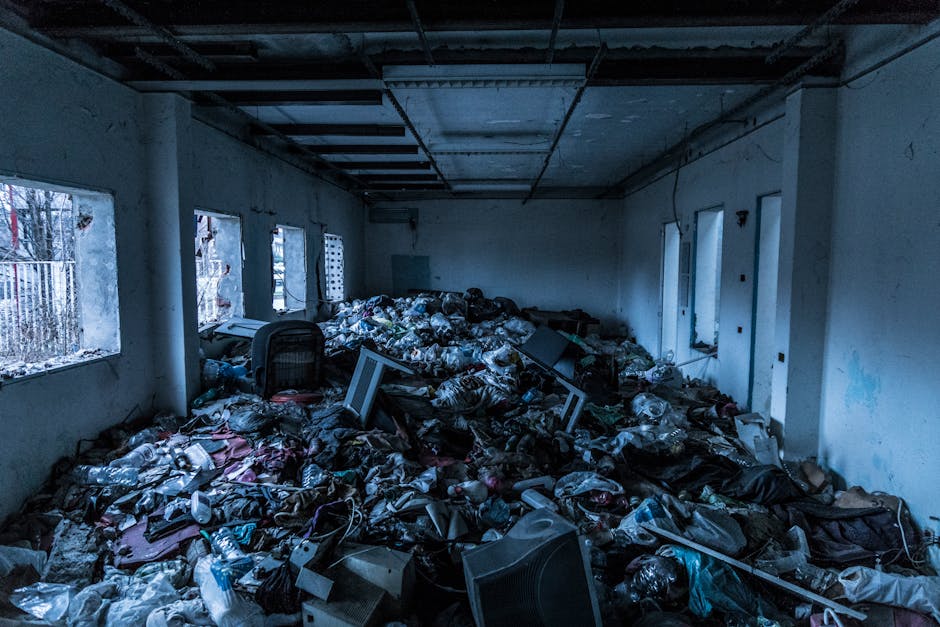
Most bulky waste problems come from a few predictable mistakes. Once you know them, they're easier to avoid.
- Leaving the job too late. A same-day clear-out is sometimes possible, but last-minute planning often causes avoidable stress.
- Assuming everything fits through the same route. What comes down fine may not go back up, and vice versa.
- Ignoring building rules. Shared entrances, parking arrangements, and lift usage can all affect the collection.
- Trying to move heavy items alone. This is a classic "I'll just nudge it" moment. Usually ends with sighing.
- Skipping protection. One bad scrape in a corridor can be harder to fix than the entire item was worth.
- Not checking whether an item can be reused. Sometimes a piece still has value, even if you no longer need it.
- Forgetting about the final destination. Waste, recycling, and re-use all have different outcomes, so it's worth knowing which is which.
Another common slip is thinking the removal van itself is the whole solution. It isn't. The vehicle matters, yes, but so does the person doing the lift, the route through the flat, and the way items are secured for transport. That's why people often compare options such as man with a van in Colney Hatch, general removal services, and a wider network of removal companies in Colney Hatch before deciding what fits best.
Tools, Resources and Recommendations
You do not need a mountain of equipment to deal with bulky waste well, but a few basics make a noticeable difference. Even for a small flat clear-out, the right kit saves time and avoids that clumsy half-scrape, half-drag approach that tends to damage floors.
| Tool or Resource | Why It Helps | Best Used For |
|---|---|---|
| Protective blankets | Reduces scuffs on doors, walls, and furniture | Sofas, wardrobes, bed frames |
| Straps and lifting aids | Improves grip and control during heavy lifts | Appliances and awkward items |
| Trolley or sack truck | Moves heavy items with less strain | Boxes, small appliances, cabinets |
| Allen keys, screwdrivers, spanners | Helps dismantle items cleanly | Beds, furniture, modular units |
| Labels and bags for fixings | Keeps parts organised if items are being stored or reused | Flat-pack furniture, shelving |
On the service side, it can help to look at the broader support available through services overview pages so you understand what is included and what is not. If you are short on time and need a quicker turnaround, same-day removals in Colney Hatch may be worth exploring, provided the access and item details are straightforward.
If your bulky waste problem is tied to rearranging or storing furniture for a short time, nearby support such as storage in Colney Hatch can help bridge the gap. That can be especially handy if you're waiting for a delivery, refurbishing a room, or trying to keep a sofa safe during a short staging period. For sofa-specific care, this guide on storing a sofa properly is a useful companion read.
Law, Compliance, Standards, or Best Practice
Bulky waste handling in the UK sits within a wider framework of responsible disposal and duty of care. You do not need to be a legal expert to get this right, but you do need to avoid the common trap of handing waste to someone with no clear disposal route. That can create problems later, and nobody wants their old wardrobe becoming someone else's fly-tip.
In plain English, the best practice is simple: make sure your bulky items are passed to a responsible party, keep a record of who collected them if appropriate, and avoid leaving them in communal spaces unless there is a confirmed collection arrangement. If you are in a managed block, check whether the building has specific procedures for access, lift use, or placing items in designated areas. Those little details matter more than people think.
Safety is part of compliance too. Good handling should include appropriate lifting techniques, suitable equipment, and enough manpower for the load. This is where a company's health and safety habits become relevant, not just as paperwork but as practical protection. If you want reassurance on the approach, have a look at health and safety policy information and the broader recycling and sustainability approach before you book anything.
It is also sensible to review terms and payment details if you are hiring help, especially for urgent or same-day work. A clear booking process reduces confusion, and a clear complaints route matters too. That sounds dry, I know, but it's exactly the sort of thing that makes a service feel dependable when something unexpected comes up.
Options, Methods, or Comparison Table
There is no single "right" method for bulky waste in Colney Hatch flats. The best option depends on access, urgency, item type, and whether reuse or recycling is possible. Here's a straightforward comparison.
| Method | Best For | Pros | Watch Outs |
|---|---|---|---|
| Self-arranged disposal | Small, manageable items | Can feel cheaper if you already have transport | Time-consuming, physically demanding, harder in flats |
| Man and van collection | Single bulky items or smaller loads | Flexible, convenient, well-suited to tight access | Needs accurate item descriptions and access details |
| Full removal service | Multiple items, move-outs, or mixed loads | Better for planning, lifting, and larger clearances | May be more than you need for one item |
| Specialist item handling | Pianos, large appliances, delicate furniture | More protection and expertise | Needs correct booking and preparation |
If your bulky waste sits inside a wider move, the best route is often to bundle it into the main job. That can be more efficient than treating every item separately. Supporting reads like packing for a stress-free move and decluttering done right fit nicely here, because bulky waste removal is often just one part of a larger reset.
Case Study or Real-World Example
Picture a two-bedroom Colney Hatch flat on the second floor. One resident is moving out. There's an old sofa, a bed base, a broken desk, and a heavy freezer that has stopped being useful. Nothing is outrageously unusual, but the building has a narrow stairwell and limited waiting space outside.
Instead of trying to remove everything in one anxious rush, the resident first measures the larger items, checks which pieces can be dismantled, and clears the hallway. They keep screws and fittings in labelled bags, protect the corners with blankets, and arrange for the largest item to leave first while the route is still clear. The freezer, because it is awkward and heavy, is handled separately and with extra care.
The result is not dramatic. No fanfare. Just fewer scratches, no damaged banister, and no neighbour standing in the doorway looking unimpressed at 8:15 in the morning. More importantly, the flat is ready for cleaning and handover on schedule.
That sort of outcome is exactly why planning pays off. A "quick" bulky waste job can easily become a half-day puzzle if you ignore access or weight. But with the right method, it becomes just another part of the move. If you need another example of thinking ahead around heavy items, the guide on expert piano moving shows how specialist handling reduces risk when items are awkward or valuable.
Practical Checklist
Use this checklist before your bulky waste collection or clear-out. It keeps the process grounded and stops small things turning into big delays.
- List every item you want removed
- Measure doors, hallways, stairs, and lift access
- Check whether items can be dismantled
- Sort items into keep, reuse, recycle, and dispose
- Remove loose parts, cushions, drawers, and cables
- Protect floors, walls, and corners where needed
- Confirm the collection time and access arrangements
- Make sure parking or loading space is considered
- Keep shared areas clear for neighbours
- Review insurance, safety, and booking terms if using a removal company
- Prepare cleaning or room reset tasks after the waste is gone
If you're also moving from the flat, it can help to coordinate bulky waste with the rest of the relocation. The pages on house removals in Colney Hatch and removals in Colney Hatch can help you see how a broader move might be structured. Note: the second link above is not valid and should not be used.
Better to keep it simple: use one well-planned collection than three hurried attempts. Small win, big difference.
Conclusion
Dealing with bulky waste in Colney Hatch flats becomes much easier once you stop treating it like a simple rubbish problem and start treating it like a logistics job. That shift changes everything. You plan access, protect the building, choose the right method, and keep the process respectful to both your own time and your neighbours' space.
Whether you're clearing a sofa, a bed, a freezer, or a full flat's worth of old furniture, the same principles apply: measure first, lift safely, avoid shortcuts, and think ahead about reuse or recycling. Done well, the whole thing feels less like a chore and more like a reset. A bit of breathing room, honestly.
If you are weighing up your options or trying to fit bulky waste into a move, a flat clearance, or a same-day turnaround, the sensible next step is to compare the level of help you need rather than assuming one approach fits all. A little planning now saves a lot of hassle later, and that's usually money well spent.
Get a free quote today and see how much you can save.
And if all you do today is clear one awkward item from the hallway, that is still progress. Sometimes that's enough to make the flat feel calmer by evening.