Man With Van in Colney Hatch for practical local removals and transport

Our man with van in Colney Hatch is suited to moving the items that matter most when a full-scale removal lorry is more than you need. The service is built around careful loading, sensible vehicle use and straightforward transport for homes, flats and small businesses. It can suit single bulky items, part-load moving, furniture collections and compact moves where efficient handling matters as much as getting everything from A to B.
Because every job is different, we keep the work flexible rather than forcing it into one fixed pattern. Some customers only need a sofa or wardrobe collected; others need a flat moved with boxes, beds, white goods and smaller personal items. We can discuss access, load size and any awkward pieces so the vehicle and approach suit the work. If you are comparing options, it is worth looking at our man with van service alongside the broader removal pages before you decide how much help you need.
The right plan often depends on what is being moved, how far it has to travel and how much carrying is involved at each end. We focus on keeping the process clear and manageable, with practical support for lifting, loading and securing belongings in transit. If you need a quick first step, make a simple list of what needs moving and then ask for a quote in plain terms. That makes it easier to judge whether a smaller transport service or a fuller removal service is the better fit.
Everyday removal support for smaller and medium-sized moves

Many customers use this kind of service for everyday moving jobs rather than major property changes. That might include moving between rented homes, taking a bed set to another address, collecting second-hand furniture, or shifting several items that do not justify hiring a larger removals team. A van-led move can be a sensible middle ground because it gives room for more than a car but remains more adaptable than a full household operation.
Where a move involves several rooms of belongings, we can still keep the work organised by grouping items sensibly and loading in a stable order. Delicate pieces, awkward furniture and mixed household goods often benefit from a thoughtful sequence rather than rushed piling. If you want to compare a few service levels, you can review man and van removals as well as home moves to see how each option is described before requesting figures.
What this kind of move can include
Typical work may involve disassembly where practical, carrying items from upper floors, careful placement within the van and unloading at the destination. A clear description of the furniture and access points helps the move run more smoothly, especially where parking is limited or there are stairs, tight hallways or shared entrances. We also pay attention to protection for items that can be scratched, marked or tipped if they are not secured properly.
Furniture collections, clearances and one-off transport

Furniture pickup work is a useful part of the service where customers want one or more items collected from a shop, seller or another property. It is often chosen for larger pieces that are difficult to fit into a private car, or when more than one item needs to be moved together. This can also help where timing is important and the collection has to be handled in a coordinated way from one address to another.
For these jobs, the important points are usually size, weight and access. A wardrobe, sofa, mattress or dining table can each present different loading considerations, and mixed collections may need a stable order inside the van so that lighter pieces are not crushed. If your move is mainly about picked-up items rather than a full property shift, take a look at furniture pick-up and removals van for related service descriptions that may suit the job.
We can also help where a customer needs items taken away after a room refresh or downsizing exercise, provided the work matches the capacity of the service being arranged. The key is to describe the items accurately so the transport can be planned with the right vehicle space and lifting arrangements. Clear information about dimensions and access is better than guesswork, especially when larger furniture has to turn corners, pass through narrow doors or be carried down steps.
Home moves planned around access, timing and the right level of help

For home moves, the benefit of a van-based service is that it can be matched to the size of the property and the amount of furniture involved. A studio or one-bedroom flat may need a very different approach from a larger household, and not every move requires a full-scale removals crew. Where the load is manageable, a practical van and careful handling can keep the work focused without adding unnecessary complexity.
Good planning usually starts with the furniture list, then moves on to access details and the order in which items should be loaded. If some pieces are heavy but the rest are light, that can affect how the vehicle is packed. If you are comparing alternatives, house removals and house movers give useful context for fuller moves, while a smaller job may fit better with our more flexible transport option.
To help prepare a quotation, it is usually enough to note the main items, whether any dismantling is needed, and whether there are stairs, lifts or restricted parking. A brief summary saves time and helps avoid surprises on the day. For many customers, a simple message with the essentials is enough to begin the process, and you can then choose the service level that feels most suitable. When in doubt, describe the largest item first, then add the rest in approximate order of size.
Office and commercial transport for smaller business moves

Not every job is domestic. Small offices, studios, workshops and retail back rooms may only need a compact but careful transport solution, especially when desks, boxed files, stock or display items have to be moved without disrupting the working day more than necessary. A van-led approach can work well where the volume is modest but the items still need professional loading and secure transit.
Commercial moves often benefit from clear labelling and a sensible route through the building so that the move is less disruptive. That may include taking items from reception, a shared workspace or storage area before loading them in a controlled way. If you are planning a workplace move rather than a home shift, read more about office relocation services or the broader commercial moves page to see how the work is framed.
Some businesses only need a handful of items moved between sites, while others want a small relocation completed in stages. Either way, the most useful quotation details are what is moving, where it is going and whether the collection and delivery points have any practical restrictions. A well-described commercial job is easier to allocate to the right vehicle and to organise so the items arrive in the intended condition.
About Colney Hatch
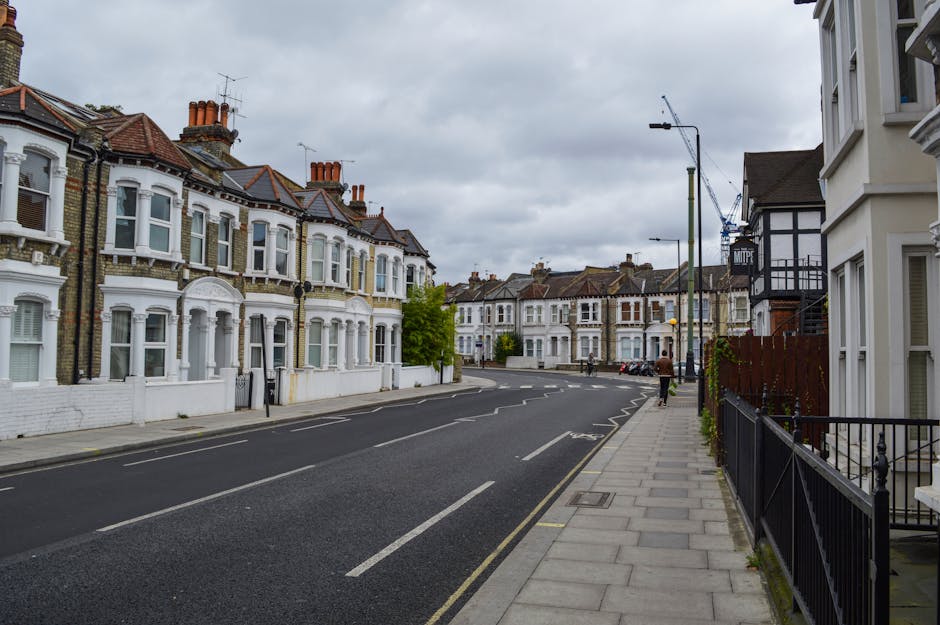
Colney Hatch is a locality in north London, most commonly associated with the area around Friern Barnet and parts of the London Borough of Barnet. Its name is often linked with the former Colney Hatch Lunatic Asylum, a major 19th-century institution that later became part of the Friern Hospital site, which shaped the area’s identity for many decades. The surrounding district developed as suburban London expanded, with residential streets, local shopping parades and transport routes serving nearby neighbourhoods. Today the place name survives in road names, local references and everyday use, even though it is not always defined by a single formal boundary.
Helpful service choices for different item types
Some moves are straightforward because the items are compact and easy to stack, while others call for more care because they are fragile, awkward or unusually shaped. A good van service should reflect that difference. Soft furnishings, framed artwork, mirrors, appliances and assembled furniture each need slightly different handling. The aim is not simply to get everything into the vehicle, but to place each item in a way that supports safe transport and sensible unloading at the destination.
For customers who want a broader removal option, the related pages can help compare terminology and scope. removal services gives a general overview, while removals and moving van are useful for understanding how the transport side of the job may be described. When a job is mostly about one or two pieces, a more compact service may be enough; when the job grows into several rooms, a fuller removal format may suit it better.
It is often sensible to think about the items in terms of handling rather than simply quantity. A few heavy wardrobes can be more demanding than a much larger number of boxes, especially if stairs or narrow hallways are involved. That is why an accurate summary is more useful than a rough estimate. If you want a quotation that reflects the real job, give as much detail as you comfortably can, then let the service be matched to the load.
How transport, loading and protection are usually approached
Within a man with van move, loading order matters. Heavy pieces generally need to sit securely, with lighter items placed where they will not be crushed or moved around. Good packing is not about filling every gap at any cost; it is about creating a stable load that can be transported without damage. This is particularly important when the move includes mixed household goods rather than uniform boxes only.
Protection may involve wrapping, padding or careful spacing depending on the item and the route being taken. That can be especially helpful for surfaces that scratch easily or for items with awkward legs, handles or glass panels. If you are moving something especially delicate, it is worth noting that in your initial enquiry so the planned approach reflects the item properly. A careful description is often more valuable than a long list of assumptions.
For customers comparing van and truck options, the wording on the site can help identify which service is most relevant. moving truck may suit larger loads, while moving van and removal truck hire point towards alternative transport arrangements. The right choice depends on volume, access and the type of belongings being shifted, not just on whether the move sounds big or small at first glance.
Pricing factors and quotation details
Quotation requests are usually clearer when they focus on the practical elements that affect the work. Distance, load size, access at both ends and whether lifting help is needed can all influence the time and vehicle space involved. If there are several bulky pieces, it may also matter whether they can be dismantled or whether they need to travel assembled. This is why a concise, accurate description tends to be more useful than a very broad request.
If you are preparing to ask for a price, start with the essentials: what is moving, where it is going, and when it needs to happen. You can then add any details that affect handling, such as upper-floor collection, narrow stairs, basement storage, restricted parking or a need to move items in a certain order. For further reference, the pricing and quotes page is the most relevant place to review before you ask for a figure.
When the job is clear, the quotation process becomes easier to understand on both sides. It also helps avoid over-ordering a larger service than you need. A smaller van-led move can be cost-conscious and practical, but only when the load genuinely fits that format. If you are ready to take the next step, contact us for a quotation and we can discuss the details in plain terms.
Comparing related removal pages before you decide
Some customers like to compare related pages before choosing how to proceed. That can be useful because the words used in moving services are not always identical, even when the underlying work overlaps. A man with van job may be a transport-only move with a little loading help, or it may sit somewhere between a simple collection and a fuller removal. Comparing the descriptions can make the final choice easier.
Useful pages for that comparison include man with van removal, man and van and movers. They can help you judge whether you need basic loading support, a more traditional removal service or a broader moving arrangement. The point is not to overcomplicate the decision, but to match the service description to the amount of work involved.
When you are deciding, think first about the items themselves and only then about the label of the service. A smaller move with one heavy sofa may need more care than a larger but lighter collection of boxes. That is why the most helpful next step is usually to describe the practical job rather than the category name. From there, it becomes much easier to request the right quotation and avoid unnecessary back-and-forth.
Planning a simple move with fewer surprises
Small-scale moving work is often easier when the key details are prepared in advance. That does not mean producing a complicated inventory. It means being ready with the main items, the collection and delivery addresses, and any access issues that could affect loading. A few notes at the start can save time later, especially where the move includes furniture that needs to be handled carefully or lifted through shared spaces.
The same approach works well for mixed loads and part-house moves. A clear plan helps decide whether items can be grouped into one trip or whether the move needs to be split more carefully. For related support, packing and unpacking services may be relevant when items need extra organisation, while removal company provides a broader comparison point for customers looking at full-service options.
As a rule, the more accurately the move is described, the easier it is to match the work to the right service. That means less confusion about what is included and a more sensible conversation about timing, access and item handling. If you need a compact, practical way to move belongings in or around Colney Hatch, ask for a quotation and outline the job in straightforward terms.
Final points for customers arranging a quotation
If you are arranging a move for the first time, it helps to remember that a quotation is only as good as the details it is based on. Mention the number of large items, whether there are stairs, and whether anything needs dismantling before transport. If the move involves business equipment or household furniture with awkward dimensions, say so early. That gives a better basis for planning than vague estimates.
For broader information about moving standards and related policies, the supporting pages can be useful background reading, especially insurance and safety and health and safety policy. They do not replace a move-specific discussion, but they can help you understand how care and responsibility are approached on the service side. Where a move requires extra protection or careful handling, those factors should be mentioned at the outset.
If you are ready to move ahead, the simplest route is to request a quotation with the main items and the intended date or time window. Keep it plain, keep it accurate and let the service be matched to the work. Contact us for a quotation when you are ready.