Guide to Moving From Friern Barnet High Road
Posted on 24/04/2026
Moving home from Friern Barnet High Road can feel oddly simple right up until it doesn't. One minute you're picturing a clean handover and a quick van load-up; the next, you're juggling parking, box labels, stairs, awkward furniture, and a neighbour who needs the bay space back by 9 a.m. This Guide to Moving From Friern Barnet High Road is here to make the whole thing feel manageable, local, and properly thought through.
Whether you're leaving a flat above a shop, a family house near busy junctions, or a property with limited access and no spare room for boxes, the key is preparation. In this article, you'll find practical advice on planning, packing, timing, transport, and the little details that can make a big difference on moving day. Truth be told, those little details are often the ones people only notice once they're already tired.
If you want a smoother process from the start, it also helps to read a few related guides such as packing strategies for a calmer move, decluttering before moving, and stress-free house moving tips. They slot neatly into the bigger picture.

Why Guide to Moving From Friern Barnet High Road Matters
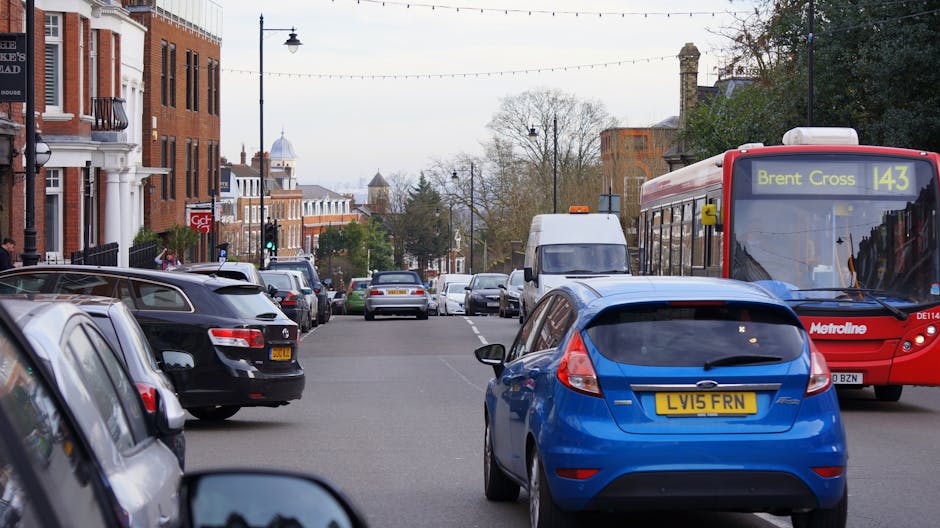
Friern Barnet High Road is the kind of stretch where moving logistics can change block by block. You may be dealing with busier traffic windows, mixed property types, shared access, and limited waiting space. That means the move is not just about lifting boxes. It's about timing, route planning, access, and keeping disruption to a minimum for everyone involved.
People often underestimate how much a local move depends on the street itself. A short distance can still become a long morning if the van cannot park near the door, if lifts are small, or if furniture needs to be carried through narrow hallways. That is why a good moving plan matters. It saves time, lowers stress, and reduces the chance of damage. Simple enough, but easy to overlook when you're trying to do ten things at once.
There is also a practical financial angle. Better planning usually means fewer delays, less wasted labour, and a lower chance of needing last-minute help. If you are comparing service options, the information on pricing and quotes is a useful place to start, especially if you want a clearer picture before booking.
How Guide to Moving From Friern Barnet High Road Works
At its core, moving from Friern Barnet High Road follows the same basic sequence as most London moves: assess the property, plan the packing, organise the transport, and coordinate the handover. The difference is in the detail. Local road conditions, parking restrictions, stair access, and busy periods all shape how the move should be handled.
A well-run move usually starts with a survey of what needs to go. That includes furniture, white goods, fragile items, awkward items, and anything that may need specialist handling. For example, a sofa might need careful wrapping, a mattress may need protection from scuffs, and a piano should never be treated like an ordinary heavy box. If that sounds obvious, fair enough, but you'd be surprised how often people only realise it when the back of the van is already full.
From there, the process becomes more organised. Boxes are labelled by room, essentials are kept separate, fragile items are packed properly, and the route from property to van is planned in advance. For bigger household jobs, a service such as house removals support can take a lot of pressure off the day.
Smaller or more flexible moves can suit a man and van service or a dedicated removal van arrangement, depending on how much you need to move and how quickly. The right choice depends on the load, the access, and how much help you want with lifting.
Key Benefits and Practical Advantages
There are several real advantages to planning the move properly instead of treating it as a last-minute logistics puzzle.
- Less stress on the day: When boxes are packed and labelled early, you're not making decisions under pressure.
- Better protection for belongings: Good wrapping, padding, and stacking reduce breakage.
- Faster loading and unloading: Clear pathways and organised rooms save time.
- Reduced risk of injury: Heavy lifting goes more smoothly when it's planned, not improvised.
- Cleaner handover: A tidy departure helps when you need to leave the property in good shape.
There's another benefit people don't always talk about: confidence. Once the practical groundwork is done, the move stops feeling like a looming cloud and starts feeling like a sequence of tasks you can actually complete. That mental shift matters more than it sounds. Honestly, a calm move often begins the night before, when everything is ready and you can finally breathe.
If you're moving out of a flat, especially one with stairs or tight communal areas, it may help to look at flat removals support. And if you need help with seating, upholstery, or awkward bulky items, the guide on sofa storage and care has useful handling advice.
Who This Is For and When It Makes Sense
This guide is for anyone leaving Friern Barnet High Road and wanting the move to run smoothly without turning into a full-blown weekend drama. That includes:
- Homeowners moving to another part of North London or beyond
- Renters leaving flats, maisonettes, or converted properties
- Students moving into or out of shared accommodation
- Families with lots of furniture and household items
- Small businesses relocating stock, desks, or equipment
- Anyone who needs storage before the next property is ready
It makes sense whenever the move involves more than a few bags in the boot of a car. If you've got furniture, fragile items, or a tight timetable, a structured approach is worth it. It is also especially useful if you're coordinating keys, cleaners, disposal, and transport all on the same day. That's the sort of day where one missing box can throw the whole rhythm off.
For students or smaller households with lighter loads, a service like student removals can be a sensible fit. For businesses, office removals may be the better route if desks, files, and equipment need careful handling.
Step-by-Step Guidance
Here is a clear way to approach the move without overcomplicating it.
- Confirm your move date early. Check keys, tenancy dates, completion time, and any access issues before you do anything else.
- Walk the property room by room. Decide what is moving, what is being donated, and what can be recycled.
- Order packing materials. You'll likely need sturdy boxes, tape, bubble wrap, labels, mattress covers, and paper for fragile items.
- Pack by priority. Start with non-essential items. Leave daily essentials, documents, chargers, and toiletries for last.
- Measure awkward furniture. Check doorways, stair corners, and lift sizes before the day arrives.
- Plan the van access. Decide where the vehicle will park and how loading will happen safely.
- Protect delicate items. Wrap glass, art, electronics, and anything easily scratched.
- Prepare the new property. Make sure cleaning, utilities, and access arrangements are sorted ahead of time.
- Keep an essentials box. Include kettle, tea, snacks, phone charger, medication, wipes, and basic tools.
- Do a final sweep. Check cupboards, lofts, under beds, and behind doors before locking up.
For packing help, the guide to packing and boxes is a practical companion. And if you want a more detailed method for reducing move-day chaos, the article on house moving without the panic is well worth a read.
Expert Tips for Better Results
Here's where small improvements really pay off.
- Label boxes on two sides. You'll thank yourself when they are stacked in the van and only one edge is visible.
- Keep weight balanced. Heavy items should be in smaller boxes. No heroic overpacking, please.
- Use colour coding by room. It speeds up unloading more than most people expect.
- Take photos of cable setups. Entertainment systems, routers, and desks are easier to rebuild with a visual guide.
- Disassemble only what needs it. A bed frame may need breaking down, but not every item does.
- Protect floor routes. In wet weather, London pavements and hallways can get muddy quickly. It happens.
If you have large or oddly shaped items, specialist handling is usually the sensible option. For instance, the advice on moving your bed and mattress can help prevent damage to the frame and fabric. Likewise, larger or valuable instruments should follow the guidance in piano moving for safety and ease.
One more small tip: keep a note of which keys, fobs, or access codes open what. It sounds basic, but moving day brain is a real thing.

Common Mistakes to Avoid
People usually don't get into trouble because of one giant error. It's the little things stacking up.
- Leaving packing until the last minute. This creates rushed decisions and poor box quality.
- Underestimating access. A narrow staircase or poor parking can add more time than expected.
- Using oversized boxes for heavy items. Books and kitchenware belong in smaller boxes, otherwise your back will complain loudly.
- Not protecting fragile furniture. Scratches and chips are avoidable with the right wrap and loading order.
- Forgetting to clear storage spaces. Cupboards, sheds, lofts, and under-bed spaces are easy to overlook.
- Ignoring disposal planning. If you have items to recycle or donate, arrange that before moving day.
One especially common issue is assuming storage will somehow sort itself out. It won't. If there's a gap between move-out and move-in, look at storage options early rather than at the last minute. That small decision can save a lot of awkwardness later.
Tools, Resources and Recommendations
You do not need fancy kit to move well, but a few reliable tools make the day easier.
- Strong double-walled boxes for heavier household items
- Packaging tape and a proper tape dispenser
- Bubble wrap, paper wrap, and furniture blankets
- Marker pens and room labels
- Mattress covers and sofa protection
- Basic toolkit for dismantling and reassembly
- Bin bags for last-minute clear-outs and soft goods
For a deeper look at professional packing methods, the article on packing perfection strategies is a strong companion piece. If sustainability matters to you, the page on recycling and sustainability is also useful for thinking about waste reduction during a move.
There's also a practical side to getting the right team in place. If you want a wider overview of service types, the services overview is helpful for comparing what's available, while the main removals service page gives a broader sense of support options.
Law, Compliance, Standards, or Best Practice
For a move like this, compliance is mostly about common-sense safety, careful handling, and clear terms. In the UK, removal work should be carried out with appropriate attention to lifting safety, vehicle loading, property access, and insurance cover. The exact obligations depend on the job and the provider, so it is sensible to ask rather than assume.
From a customer point of view, the best practice checklist is straightforward:
- Check that the mover explains what is included and what is not
- Ask about goods-in-transit and public liability insurance
- Confirm payment terms before booking
- Understand any cancellation or complaints process
- Make sure moving day access is safe and realistic
If you want a fuller understanding of safety and cover, refer to insurance and safety information and the health and safety policy. For booking confidence, it also helps to review terms and conditions and payment and security details. Not glamorous, I know, but this is the stuff that keeps a move tidy and fair.
Options, Methods, or Comparison Table
Different moves call for different setups. Here's a quick comparison to help you decide what fits your situation.
| Option | Best for | Strengths | Watch-outs |
|---|---|---|---|
| Man and van | Smaller moves, flexible timing, lighter loads | Quick, practical, often more economical | May need more self-packing and planning |
| House removals | Full household moves with furniture and boxes | More structured, better for larger loads | Needs more coordination and space |
| Flat removals | Apartment or maisonette moves with access challenges | Useful where stairs, lifts, and communal areas matter | Parking and loading can still be tight |
| Storage-first move | When move-out and move-in dates do not line up | Reduces pressure between properties | Requires extra handling and organisation |
If your move involves a short gap between properties, pairing transport with storage support can be far less stressful than trying to improvise. And for furniture-heavy homes, furniture removals may be the better fit.
Case Study or Real-World Example
Here's a realistic example. A couple moving from a first-floor flat off Friern Barnet High Road had a sofa, two beds, a bookcase, a dining table, and around thirty boxes. Nothing wild, but enough to make the move feel busy. The main challenge was access: a narrow stairwell, a busy morning road, and limited waiting space outside.
Instead of leaving everything to the day itself, they packed a week ahead, separated fragile items, dismantled the beds the night before, and checked the parking position early. The sofa was wrapped properly, mattresses were protected, and the heaviest boxes were kept small. That one change helped a lot. The van loaded faster than expected, the stair carry was smoother, and they were able to hand over the keys without the usual end-of-day scramble.
There was still a small hiccup, naturally. One box marked "kitchen" contained the kettle, tea, and mugs, but someone had packed the favourite spoon in a totally different box. Minor drama. Still, the move itself stayed calm because the real work had been done beforehand.
If you're looking to avoid that sort of last-minute searching, the prep advice in decluttering done right is a good starting point, especially before packing begins.
Practical Checklist
Use this simple checklist to stay on track in the final run-up to moving day.
- Confirm the move date and access arrangements
- Book transport or removal help early
- Declutter before packing anything
- Gather boxes, tape, wrap, labels, and markers
- Pack non-essentials first
- Protect fragile and high-value items carefully
- Measure large furniture and tricky doorways
- Set aside essentials for the first 24 hours
- Arrange parking or loading space where possible
- Keep documents, keys, and contacts together
- Check every room, cupboard, and storage space before leaving
- Clean up and photograph the property if needed
For some people, it also helps to read a guide on preparing a home for the next occupants. It sounds like a small thing, but a clean handover can make the whole experience feel more finished.
Get a free quote today and see how much you can save.
Conclusion
A move from Friern Barnet High Road does not need to feel overwhelming. With a clear plan, the right packing approach, and a sensible choice of moving support, the whole thing becomes much more manageable. The difference usually comes down to preparation, not luck.
If you remember only one thing from this guide, let it be this: start earlier than feels necessary. That one habit reduces stress, lowers the risk of damage, and gives you more control over the day. The rest follows from there, honestly.
And if you're comparing options, checking insurance, or deciding whether you need a van, a full removal service, or storage in between, take your time and choose the route that fits your move rather than forcing the move to fit the route. That little bit of judgement goes a long way.
Moving is never entirely effortless, but it can be calmer than people expect. That's the goal. One box, one room, one steady step at a time.