Top Tips for Removals in N11 and Nearby Streets
Posted on 02/05/2026
Moving home in N11 can feel deceptively simple on paper. In real life, it often means narrow side streets, awkward parking, a few too many boxes, and that one heavy item you swore you'd sort out "later". If you're looking for Top Tips for Removals in N11 and Nearby Streets, you probably want more than generic moving advice. You want practical, local guidance that helps the day run smoothly, keeps breakages to a minimum, and saves you from the usual last-minute scramble.
That is exactly what this guide is for. Whether you're moving from a flat near Friern Barnet High Road, a family house on a quieter residential road, or a smaller property where access is a little tight, the details matter. A good move is usually the result of a few sensible decisions made early, not a heroic effort at 7am on moving day. Let's make it easier.
For readers who want to go deeper on the planning side, it can also help to explore stress-free house moving strategies, especially if your move involves a full property rather than a single room or flat. And if you're still sorting what to take, a bit of decluttering before the move can make an immediate difference. Truth be told, most removal-day headaches start weeks earlier.

Why Top Tips for Removals in N11 and Nearby Streets Matters
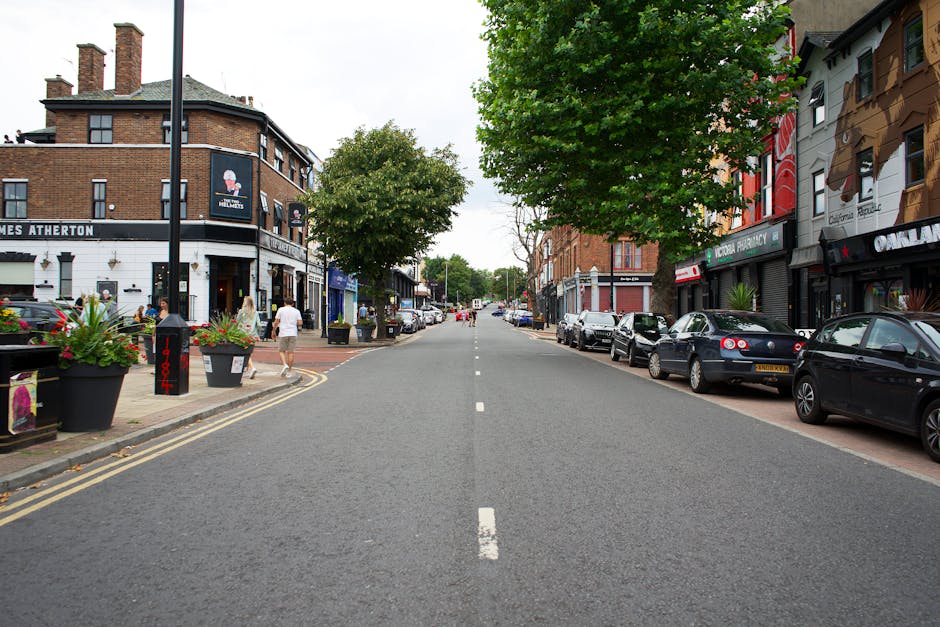
N11 covers a mix of residential pockets, apartment blocks, busy through-roads, and quieter streets where parking can still be a challenge at the wrong time of day. Nearby streets add another layer of unpredictability: cars parked tightly along the kerb, limited turning space, shared entrances, and the occasional neighbour who needs to get out exactly when you're loading the van. Small thing? Maybe. But on removal day, small things become big things very quickly.
This is why local removal planning matters. A move that works well in one part of London may need a different approach in another. In N11 and surrounding streets, a smart plan usually includes access checks, parking considerations, realistic loading times, and a clear idea of what can be moved first. If you have bulky pieces, such as a sofa, wardrobe, or bed frame, the route from the front door to the vehicle matters just as much as the journey itself. That is especially true if you're looking at furniture removals in Colney Hatch or similar local service support.
There's also a simple human reason this topic matters: moving is stressful enough without adding uncertainty. People often underestimate how much calmer they feel when the basics are sorted. Clear labels. A booked slot. A measured route. A little breathing room. Not glamorous, but effective.
How Top Tips for Removals in N11 and Nearby Streets Works
At its core, good removal planning is a sequence of decisions that reduce friction. You assess the property, decide what needs moving, pack in a sensible order, protect fragile items, arrange transport, and make sure the new place is ready to receive everything. That may sound obvious. In practice, the order is what saves the day.
For a local move in N11, the process often begins with access. Can the vehicle park near the entrance? Is there enough room to carry larger items safely? Are there stairs, lift restrictions, or narrow hallways? If you answer these questions before moving day, you can avoid the awkward situation where a van is waiting while everyone stands around wondering what comes next. It happens. More often than people like to admit.
Then comes packing. The best approach is usually room-by-room packing with clear labels and sensible weight distribution. Books and kitchen items belong in smaller boxes. Soft items can protect fragile pieces. Important documents should stay with you. For more detailed packing guidance, these stress-free packing strategies are a useful companion read.
Finally, the move itself should feel coordinated rather than rushed. Experienced movers will often sequence items by size and priority: essentials first, bulky items next, fragile items kept secure, and anything awkward handled with the right technique or equipment. If you've ever tried to carry a mattress down a stairwell while someone else holds the front door open with their shoulder, you'll know why planning matters. It's not elegant, but it can be managed. Better managed, actually, with a bit of forethought.
Key Benefits and Practical Advantages
Good removal preparation gives you more than a tidy schedule. It reduces damage, saves time, and lowers the odds of people getting tired, frustrated, or rushed. Those are not minor wins. They're the difference between a move you can handle and one you'll be talking about for the next six months.
- Less breakage: Proper packing and handling reduce the chance of scratches, chips, and smashed items.
- Better timing: A clear plan keeps the move moving, especially if parking or access is limited.
- Lower stress: Knowing what happens next makes the day feel far more manageable.
- Safer lifting: Fewer awkward carries and fewer rushed decisions around heavy items.
- Cleaner handover: If you're leaving a rented property, a clean and organised exit helps with the final inspection.
There's also a cost angle. A move that is well organised often avoids avoidable delays and repeated trips. That can matter whether you're using a man with a van in Colney Hatch for a smaller load or arranging a fuller service for a larger family property. A few hours saved is not just convenience; sometimes it's the difference between everything fitting into one trip and needing another.
One practical benefit people overlook is emotional. When the process is orderly, the new home feels more like a fresh start and less like a pile of boxes with walls around it. That bit counts.
Who This Is For and When It Makes Sense
This advice is useful for just about anyone moving within or around N11, but it is especially relevant if you are:
- moving from a flat with shared stairs or lift access
- handling a family house move with lots of furniture
- moving a student room or smaller property
- relocating from a street with tight parking or narrow access
- trying to move on a short timeline
- transporting fragile, awkward, or valuable items
It also makes sense if you're comparing different support options. Some moves only need a van and careful loading. Others need a more complete service with packing help, furniture protection, and possibly storage. If that sounds familiar, a look at the services overview can help you match the move to the right level of support.
Students, in particular, often need a lighter-touch approach. A few bags, a mattress, a desk, maybe a bike. That is very different from moving an entire household. If that's your situation, student removals are usually the better fit than a full-scale house move. On the other hand, families with lots of furniture often benefit more from house removals support where timing and protection are handled more comprehensively.
Step-by-Step Guidance
1. Start with access and parking
Before you tape a single box, look at the route. Where will the van park? Can large items be carried without blocking everyone? Are there steps, tight corners, or low ceilings? If the answer is "probably," that is not enough. Be specific. A quick check the day before can save a lot of muttering on the pavement the next morning.
2. Sort what stays and what goes
Moving is the perfect moment to be ruthless, in a kind way. Separate essentials, donate items you no longer use, and set aside anything for storage or recycling. This is where a proper declutter really earns its keep. If you want a more structured approach, our decluttering guide gives a straightforward method that works well in real homes.
3. Pack by room and by priority
Keep similar items together and label each box clearly. Put a short note on the side, not just the top, so you can still identify it when boxes are stacked. Pack heavier items in smaller boxes and keep everyday essentials in a separate "first night" box. That box should include chargers, toiletries, snacks, kettle supplies, toilet roll, and the sort of things you always forget until it's too late.
4. Protect furniture and fragile items
Use blankets, wraps, and the right kind of tape to prevent movement and surface damage. Sofas, mattresses, and large chairs often need more attention than people expect. For delicate upholstery or long-term storage, this guide on sofa storage and care is a useful reference. If you're moving a bed, mattress, or frame, the steps in bed and mattress moving advice are worth a read.
5. Decide what needs specialist handling
Not everything should be treated the same way. Pianos, large wardrobes, and heavy appliances can require different equipment or more than one pair of hands. If you're dealing with something especially delicate or weighty, the safest route is often the sensible one. For example, piano moving is best left to the experts because the risk of damage rises sharply when you improvise.
6. Load in a deliberate order
Heavy and sturdy items should usually go in first, with fragile or frequently needed items positioned carefully so they remain accessible. A good load is balanced, secured, and not overpacked to the point where items shift during transit. That may sound obvious, but a van that looks neat from the outside can still be a bit of a nightmare inside if the load is badly arranged.
7. Prepare the new property before arrival
Clean surfaces, check key access, and make sure utilities are ready where possible. If you're moving into a place that has been empty for a while, a simple refresh makes the first day feel better. Preparing your new home with a clean slate is one of those small efforts that pays back immediately.
Expert Tips for Better Results
Here are the little things that often make the biggest difference. Not flashy. Just effective.
- Keep one box for the essentials. Label it clearly and keep it easy to reach.
- Photograph cable setups. TV, router, desk wiring, and similar items are much easier to reconnect when you have a visual reference.
- Use colour coding. A simple colour for each room saves time when unloading.
- Protect floors and door frames. Even a small scuff can feel annoying when you're already tired.
- Don't overfill bags. A bag may close, but your back will know about it later.
- Book extra time if the street is tight. A few spare minutes remove a surprising amount of pressure.
One practical point that's easy to miss: think about weather. A grey London morning can turn wet very quickly, and that matters when boxes are being carried between door and van. A small amount of preparation-covers, towels, slip-resistant footwear-can keep the day calmer. Nothing dramatic. Just less faff.
If you want to reduce moving-day strain further, it may help to read about safe lifting technique. Good lifting habits are not just for warehouse teams; they matter when shifting boxes down stairs or around tight corners too.
Expert summary: the best local moves are usually the ones that look boring from the outside. Good planning, sensible packing, the right vehicle, and a calm pace. That's the whole trick, more or less.
Common Mistakes to Avoid
Most removal problems are preventable. The snag is that they're easy to overlook when you're busy. These are the mistakes that crop up again and again:
- Leaving packing until the last two days. It creates clutter, stress, and bad decisions.
- Ignoring parking and access. Especially risky on narrow streets or where there are time restrictions.
- Using huge boxes for heavy items. They become unliftable very quickly.
- Forgetting a plan for valuables. Keep passports, keys, jewellery, and documents with you.
- Not protecting furniture edges. A scratched corner is one of those annoyances you notice every single day after the move.
- Assuming everything will fit first time. It often won't, and that is normal. The issue is not the surprise, it's the lack of a backup plan.
Another subtle mistake is underestimating the time needed to clear a property properly. If you're moving out of a rented home, you may also need time for cleaning and final checks. A useful read for that stage is how to prepare a home for the next occupants, because a tidy handover avoids a lot of awkwardness later.
Tools, Resources and Recommendations
You do not need a van full of specialist gear to manage a good move, but the right basics help a lot. Here's what usually proves useful:
- sturdy double-walled boxes for heavier or fragile items
- packing tape and tape dispenser
- marker pens for room labels
- blankets or furniture covers
- bubble wrap or paper for delicate items
- zip bags for screws, bolts, and cables
- gloves with grip for carrying awkward items
- phone charger or power bank for the day itself
If you're buying packing supplies locally, it's worth choosing the right mix rather than simply grabbing "loads of boxes". A box is only useful if it can be lifted safely and stacked properly. For that reason, packing and boxes support can be a practical next step if you want materials that suit the move rather than just the shopping basket.
Sometimes storage is the sensible bridge between properties. Maybe completion dates don't line up. Maybe you need to clear a room before decorating. Maybe you are simply not ready to take everything at once. In those cases, storage options can take the pressure off and give you breathing space.
And if you need a more complete local service, it may be worth looking at general removal services or the broader removals service in Colney Hatch depending on how much support your move needs.
Law, Compliance, Standards, or Best Practice
For most home removals, the key compliance points are practical rather than complicated. You are mainly looking at safe handling, honest service terms, appropriate insurance, and responsible behaviour around parking, access, and property care. If a company is moving items on your behalf, it should be clear about what is covered, what is excluded, and how damage or claims are handled.
Best practice in the removals industry usually includes:
- careful loading and unloading methods
- clear communication about timing and access
- appropriate protection for furniture and flooring
- transparent pricing and quote terms
- basic health and safety controls for lifting and carrying
If you're comparing providers, it's sensible to review their insurance and safety information, along with their health and safety policy and terms and conditions. That's not being fussy; it's just sensible. A few minutes spent reading now can save a lot of awkwardness later if something unexpected happens.
If you're paying online or dealing with a booking deposit, payment and security details are worth checking as well. The same goes for the company's approach to quotes-ideally, it should be clear, written, and easy to understand. If it isn't, ask. No shame in that at all.
Options, Methods, or Comparison Table
Not every move needs the same approach. Here's a simple comparison to help you think it through.
| Option | Best for | Pros | Watch out for |
|---|---|---|---|
| DIY move | Very small loads, short distances | Flexible, potentially cheaper | Heavy lifting, time pressure, parking issues |
| Man and van | Flat moves, smaller homes, partial loads | Practical, local, efficient | Needs good packing and access planning |
| Full removals service | House moves, larger or fragile loads | More support, less physical strain | Higher cost than basic transport only |
| Storage plus removals | Gap between move-out and move-in dates | Flexible timing, less pressure | Needs careful inventory and planning |
If you are moving from a smaller property or a flat with stairs, flat removals may be the most appropriate option. If you only need transport and loading help, a man and van service can be a good fit. The right choice usually comes down to volume, access, and how much physical effort you want to take on yourself.
Case Study or Real-World Example
Here's a realistic example. A couple moving from a two-bedroom flat in N11 had a fairly standard issue list: limited parking, a narrow stairwell, one large sofa, a mattress, a dining table, and a stack of boxes that had slowly multiplied in the spare room. Nothing unusual. But they had done a few things right.
They sorted the move a week early, labelled every box by room, and set aside essentials for the first night. They checked where the van could stop and cleared the hallway before moving day. One of the bedrooms contained awkward furniture, so they booked extra help rather than trying to muscle it through. They also made space in the new home before arrival, which meant the first boxes could go into the right rooms straight away.
The result? Less waiting around, fewer rehandles, and a much calmer first evening. No heroic drama. No frantic search for the kettle. Just a move that felt controlled. To be fair, that is what most people want more than anything: not perfection, just less chaos.
That same principle applies if you are moving special items. A piano, for example, is not something to "see how it goes" with. The same applies to a freezer that needs careful handling during downtime, which is why freezer integrity during storage is worth understanding if your move involves appliances or temporary storage.
Practical Checklist
Use this checklist in the final few days before your move. It's straightforward, but it works.
- Confirm the moving date and arrival window
- Check parking and access at both properties
- Label boxes by room and priority
- Pack a first-night essentials box
- Disassemble furniture where needed
- Protect fragile items with adequate padding
- Keep documents, keys, and valuables separate
- Arrange storage if dates do not line up
- Clear hallways and entry points
- Charge your phone and keep chargers accessible
- Take meter readings if relevant
- Do a final walk-through before leaving
Quick reminder: if you only do three things well, make them access planning, labelling, and protecting the awkward items. Those three alone prevent a surprising amount of stress.
Conclusion
Good removals in N11 and nearby streets are rarely about luck. They come down to simple, sensible choices made in the right order. Check the access. Pack properly. Protect the items that matter. Choose the right level of help. And give yourself a little more time than you think you need, because moving days have a funny habit of expanding into whatever time you forgot to allow.
Whether you are planning a full house move, a flat move, or a smaller local relocation, the aim is the same: fewer surprises and a smoother start in your new place. If you keep the process organised, the whole day feels lighter. Not easy, exactly, but manageable. Which is a very decent result, honestly.
If you want support tailored to your move, explore the relevant service pages, review the safety and quote details, and compare the approach that fits your property and timeline best. A calmer move is usually closer than it looks.
Get a free quote today and see how much you can save.