Health and Safety Policy for Man With Van Colney Hatch
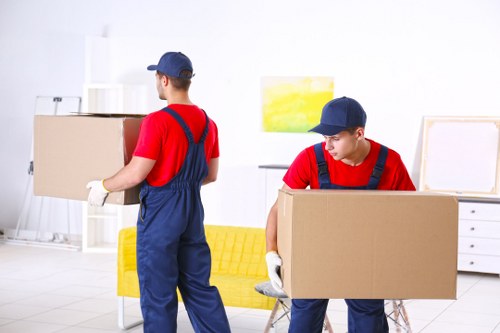 Our Man With Van Colney Hatch health and safety policy sets out the standards we follow to protect our team, customers, property, and the public during every move. We believe that safe working practices are not optional; they are part of delivering a reliable and professional man and van service. This policy applies to all moving tasks, whether we are transporting a single item, carrying household furniture, or managing a larger relocation with lifting, loading, and unloading duties.
We are committed to identifying hazards early and reducing risk wherever possible. This includes proper manual handling, safe vehicle loading, suitable equipment use, and clear communication between staff and customers. Every member of the team is expected to work responsibly, keep work areas tidy, and report any concern that could affect the safety of people or belongings. Our approach is based on prevention, awareness, and continual improvement.
Safety measures are reviewed regularly so they remain effective and practical. Man and van operations can involve heavy objects, tight spaces, stairs, weather exposure, and time pressure, so planning is essential. By setting clear expectations and encouraging safe behaviour, we reduce avoidable incidents and support a smooth moving experience.
Responsibilities and Safe Working Standards
All workers involved in Man With Van Colney Hatch duties are responsible for following this policy and using common sense at all times. Managers and supervisors must make sure staff are trained, competent, and aware of the correct procedures for lifting, carrying, securing loads, and using equipment. Employees must avoid working when tired, unwell, or under the influence of anything that could impair judgement.
Health and safety responsibilities also extend to the customer and anyone else present at the collection or delivery location. We ask that routes into and out of the property are kept clear, pets are secured, and any known hazards are reported before work begins. If a task appears unsafe, it will be paused until the risk is reduced. No job is more important than the wellbeing of people on site.
 We use a practical risk assessment approach for every job. This means considering the size and weight of items, access conditions, lighting, floor surfaces, parking arrangements, and the need for additional help or tools. When necessary, we may adjust the plan, use more than one worker, or recommend alternative handling methods to keep the move safe and controlled.
Manual Handling, Loading, and Transport Safety
Manual handling is one of the most important parts of any man with a van operation. To reduce strain and injury, we encourage correct lifting technique, balanced carrying, and teamwork for awkward or bulky items. Heavy loads are moved with care, using trolleys, straps, blankets, and other suitable equipment where appropriate. Staff must never attempt a lift that exceeds safe limits or their own ability.
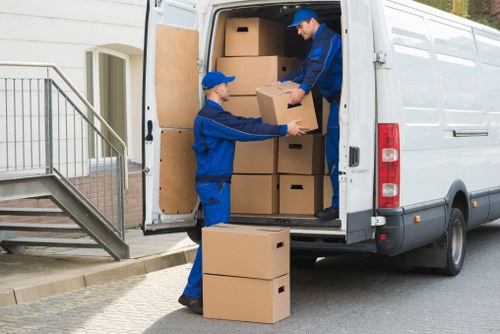
Vehicle loading is carried out so that items are stable, protected, and arranged to prevent movement in transit. Heavier goods are generally positioned low and secured first, while fragile items are separated and cushioned. The load must not obstruct visibility, create instability, or exceed the vehicle’s safe carrying capacity. We treat every journey as a safety-critical part of the service, not just transport between two points.
 During travel, drivers must operate vehicles responsibly, follow road rules, and adapt to conditions such as rain, traffic, or reduced visibility. Vehicles are checked regularly for roadworthiness, tyre condition, lights, brakes, and general cleanliness. If a defect is found, the vehicle will not be used until the issue is resolved. This helps us maintain a professional man with van Colney Hatch service while keeping everyone protected.
Equipment, Reporting, and Emergency Procedures
We use equipment that is suitable for the task and kept in good condition. This may include moving straps, dollies, protective blankets, gloves, and load restraints. Tools and accessories are stored carefully and inspected before use. Damaged items are removed from service immediately. Proper equipment supports safer lifting, reduces damage to property, and helps our team work efficiently without cutting corners.
Any accident, near miss, injury, or unsafe situation must be reported as soon as possible. Reporting helps us understand what happened, take corrective action, and prevent repetition. We encourage an open culture in which concerns are raised early rather than ignored. In addition, any damage to property, packaging, or personal items should be logged and handled through the appropriate internal process.
 If an emergency occurs, staff will act calmly and follow the safest available course of action. This may include stopping work, moving to a safe area, contacting emergency services when required, and giving clear information to those affected. First aid supplies and emergency awareness are maintained so that the team can respond quickly and responsibly if an incident takes place.
Customer Cooperation and Site Safety
Safe moving depends on cooperation from everyone involved. Customers are asked to provide accurate information about access, item weight, stairs, parking restrictions, and any special handling needs before the move begins. This allows us to prepare correctly and avoid rushed or unsafe decisions. We may also advise on safer packing, dismantling, or handling arrangements where relevant to the job.
Properties should be arranged to allow safe movement, with hallways, entrances, and paths kept free from clutter. Wet floors, loose rugs, low lighting, and sharp edges all increase the chance of injury, so these hazards should be addressed where possible. The team will also take care to protect walls, doors, and floors using the right methods and materials when needed.
 This health and safety policy is intended to support a dependable, careful, and well-managed Man With Van Colney Hatch service. By working to clear standards, respecting the risks involved in lifting and transport, and taking preventative action, we protect people and property while maintaining the quality of our work. The policy will be reviewed periodically and updated whenever working practices, equipment, or legal expectations change.